
Construction tender requirements in Pakistan are the technical, commercial, qualification and procedural conditions that a contractor must meet when bidding on construction work. A clear tender enquiry helps project owners communicate their needs and allows contractors to prepare comparable proposals. Requirements vary across federal and provincial public procurement and private projects. This guide explains the key documents, entities and decisions involved, but the actual tender and governing regulations always take precedence.
What documents are needed for a construction tender?
A construction tender package is a coordinated collection of project scope, drawings, specifications, pricing instructions, contractual conditions and submission requirements. It explains what must be built, how offers will be evaluated and which rules apply.
- Project title, location and authorized client contact.
- Invitation to bid and required submission format.
- Scope of work, drawings and specifications.
- Bill of quantities or pricing schedule.
- Site surveys and known constraints.
- Contractor eligibility and required supporting evidence.
- Programme and completion milestones.
- Commercial conditions, evaluation criteria and bid deadline.
1. Define the project scope of work

The scope of work (SOW) describes the activities, deliverables, boundaries and responsibilities included in the proposed contract. It is the foundation for a meaningful estimate and later contract management. State whether the project covers roads, bridges, industrial infrastructure, rehabilitation or other civil engineering work. Identify the current design stage, what is excluded and which party will handle utility relocation, access, permits and surveys. Incomplete assumptions can produce bids that are not directly comparable. Review our roads and highways and civil engineering and consultancy services for related capabilities.
2. Provide drawings and technical specifications
Construction drawings communicate dimensions, levels, arrangements and details of the proposed work. Technical specifications set the requirements for materials, workmanship, performance and acceptance testing. Include a drawing register and revision numbers, and distinguish tender drawings from approved construction documents. Refer to the correct standards and editions when applicable. Conflicts between drawings, schedules and specifications should be resolved through the clarification process before pricing.

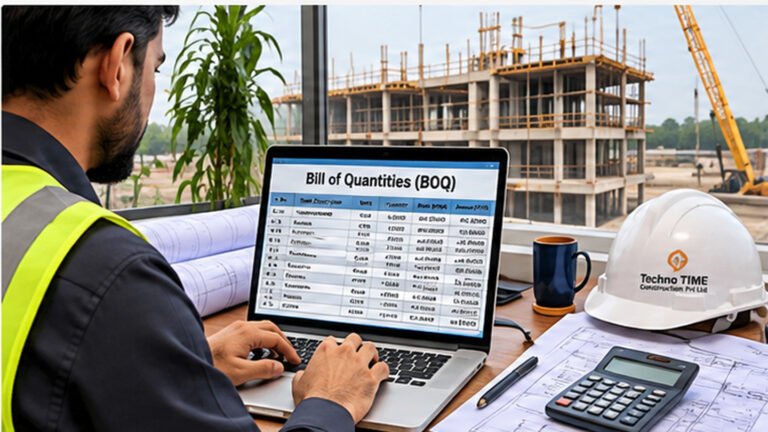
3. Prepare the BOQ and pricing schedule
A bill of quantities (BOQ) schedules measurable construction items, units and estimated quantities. It can help bidders price a common scope and allow clients to evaluate the financial effect of different work items. Depending on the project, a BOQ may cover earthworks, concrete, steel, drainage, pavements, testing and temporary works. Specify how provisional items and allowances should be priced. The applicable contract and procurement method determine whether a BOQ or another pricing format is required.
4. Disclose site conditions and access restrictions

Site information describes the physical and operational circumstances that influence how construction is performed. It may include topographic surveys, soil reports, groundwater observations, utility locations, road access, surrounding structures and operating restrictions. Clearly distinguish verified reports from provisional observations. A bidder may need different equipment, materials and sequencing for a restricted urban site than for a remote highway corridor. For structural works, see our bridges and flyovers services; construction safety expectations are described in our quality, health and safety section.
5. Specify contractor eligibility
Contractor eligibility criteria define the evidence required to participate in a given tender. Requirements may relate to registration, financial capability, similar experience, technical staff, equipment or other qualifications authorized by the governing procurement documents. Public-sector criteria must be taken from the applicable procurement framework and issued tender documents. Private-sector owners should also publish clear and consistently applied requirements rather than changing evaluation conditions after bids are received.
6. Check public procurement regulations in Pakistan
Public procurement means acquiring works, goods or services by a public authority through a regulated process. The governing rules depend on the procuring agency, jurisdiction, funding and applicable legal framework. Federal procuring agencies should consult current guidance from the Pakistan Public Procurement Regulatory Authority (PPRA). Provincial procurement authorities may have their own legislation and procedures, so a federal checklist should not be assumed to apply throughout Pakistan. Confirm the rules effective at the time of the actual tender, along with any prescribed standard bidding documents.
7. Set the tender timetable and clarification process
A tender timetable records deadlines for document release, pre-bid meetings, site visits, clarification questions, addenda and submission. A workable schedule gives contractors adequate opportunity to review the requirements and prepare a responsive bid. Provide a clear contact channel for questions. Changes should be issued formally and communicated according to the procurement rules. Identify the exact closing date, time and submission method to prevent avoidable disputes.
8. Compare contractor proposals consistently
Bid evaluation is the review of received offers against the disclosed eligibility, technical and commercial criteria. It should examine both price and compliance with the required scope rather than relying on headline cost alone. Review exclusions, testing, temporary works, material specifications, construction programme and qualifications. Distinct assumptions should be documented and clarified using the process permitted by the tender. A cheaper proposal may not be equivalent if essential work has been excluded.
Construction tender enquiry checklist
- Project title, location and authorized contact.
- Procurement route and governing authority.
- Clear scope of works and drawing revisions.
- Technical specifications and applicable standards.
- BOQ or pricing schedule.
- Geotechnical, drainage and utility information where relevant.
- Bidder eligibility and documentary evidence.
- Programme, access, safety and handover requirements.
- Clarification channel, evaluation process and deadline.
Related technical planning resources
For tender scopes involving highways and access routes, review our road construction planning guide. Bridge and flyover tenders should address specialized ground conditions, structural design and construction methods, as explained in our bridge construction guide.
Common construction tender mistakes
Common errors include incomplete scope definitions, missing drawings, contradictory revisions, unclear provisional quantities, overlooked site restrictions and ambiguous responsibilities. These weaknesses can be reduced by checking the full package before issue and identifying unresolved questions explicitly.
Construction tender requirements: frequently asked questions
Which documents are the most important construction tender requirements?
The scope, drawings, specifications, pricing requirements and contract terms must work together. No single document can define a complex construction project adequately.
Is a BOQ required for every construction tender?
No universal rule covers every contract. The governing procurement method and contract documents determine the required pricing format.
What should a private developer include in an enquiry?
Provide location, project scope, drawings, design status, access conditions, expected programme and preferred procurement approach. Separate verified requirements from estimates.
Do federal PPRA rules apply to all projects in Pakistan?
No. Provincial and other authorities may follow different frameworks. Check the rules applicable to the particular procuring organization.
How should contractors be evaluated fairly?
Use consistent, disclosed criteria and compare technical compliance, exclusions, schedule, qualification and commercial assumptions as well as price.
Submit a construction tender or project enquiry
Accurate tender information allows contractors to evaluate the opportunity and seek any necessary clarification. To discuss a government or private-sector construction requirement, submit a construction tender enquiry or request a project discussion with the available documents.


6 comments